Ayofe Abdullah
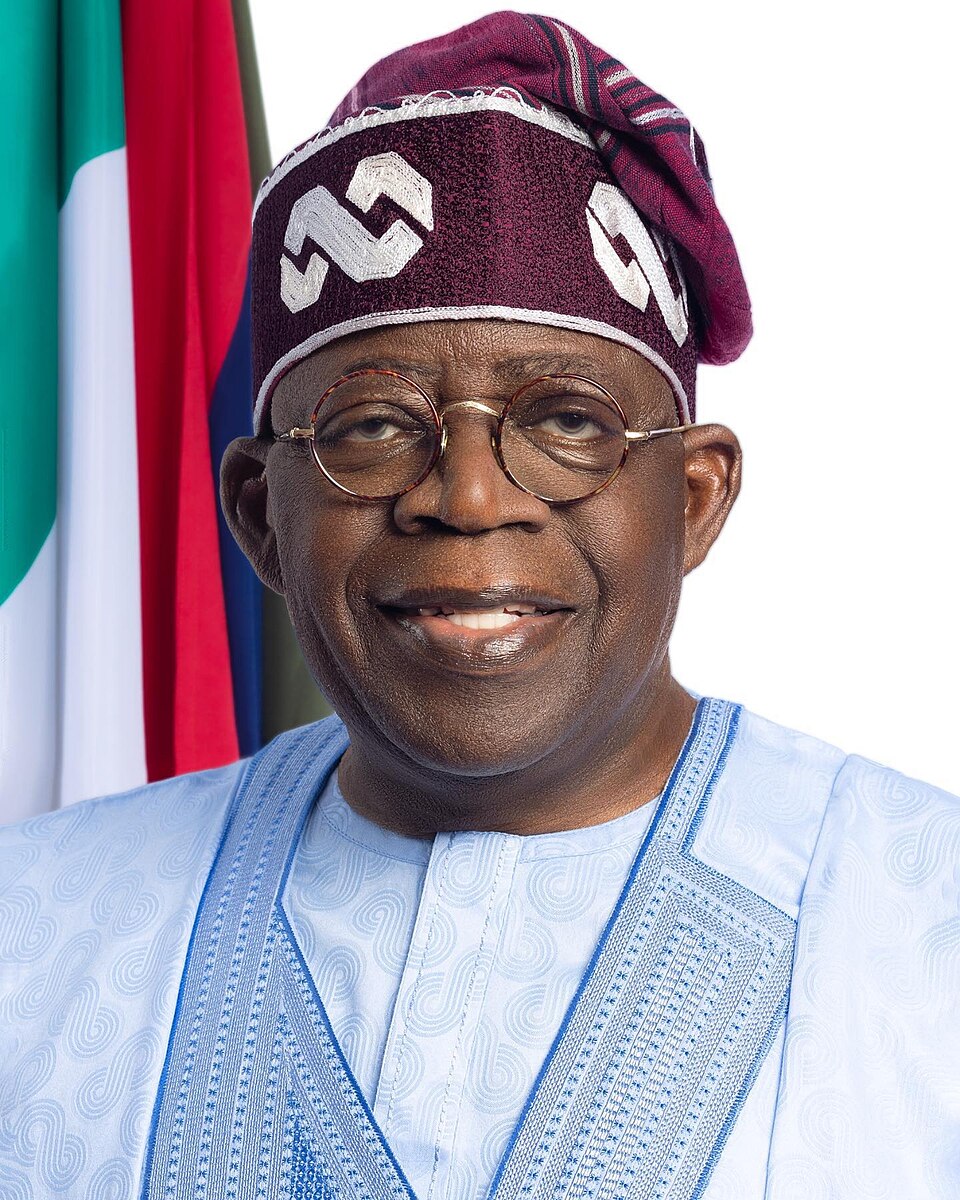
In the long and complex history of Nigeria, leadership has often swung between military strongmen, accidental statesmen, and reluctant politicians. From the era of khaki-clad rulers to civilian administrations shaped by circumstance rather than strategy, governance has frequently lacked the deliberate craft of seasoned political engineering. But with the emergence of Bola Ahmed Tinubu as President, Nigeria appears to be under the stewardship of a leader whose entire life has been defined by politics not as a title, but as a discipline.
Tinubu is not merely a politician by office; he is a politician by formation. Unlike many of his predecessors who either stumbled into leadership or were elevated by institutional arrangements, Tinubu’s rise is rooted in decades of calculated political engagement. From his days as a senator in the early years of the Fourth Republic to his transformative tenure as Governor of Lagos State, he has demonstrated an uncommon mastery of coalition-building, governance strategy, and long-term political vision.
What sets Tinubu apart is not just his experience, but his understanding of politics as a tool for structural change. In Lagos, he inherited a state grappling with infrastructural decay and administrative inefficiency. Through deliberate policy reforms, strategic appointments, and an emphasis on internally generated revenue, he laid the foundation for what is now regarded as one of Africa’s most economically viable subnational entities. This was not accidental governance it was political craftsmanship.
At the national level, Tinubu’s influence has been even more profound. He played a pivotal role in the formation of alliances that reshaped Nigeria’s political landscape, most notably contributing to the coalition that ended a 16-year dominance of a single party in 2015. This ability to engineer political outcomes, to anticipate shifts, and to build enduring structures is what distinguishes him as a political architect rather than a mere officeholder.
Critics may argue that politics alone does not equate to effective governance and they would be right. But Tinubu’s presidency represents a test of whether deep political expertise can translate into national transformation. His approach suggests a belief that governance is not separate from politics, but an extension of it. Policies are not just administrative decisions; they are outcomes of negotiation, compromise, and strategic alignment.
In a country as diverse and complex as Nigeria, this perspective may be exactly what is needed. Governance here is not just about managing resources; it is about managing relationships between regions, ethnicities, economic interests, and generations. A leader who understands the mechanics of power, the language of negotiation, and the necessity of inclusion may be better positioned to navigate these challenges.
To call Tinubu “the first politician to govern Nigeria” is to acknowledge a shift—not in chronology, but in character. It is to suggest that Nigeria is now being led by someone who sees politics not as a means to power, but as a science of governance. Whether this translates into lasting national progress remains to be seen, but one thing is clear: this is a presidency shaped not by accident, but by design.