Adeboje Lukman
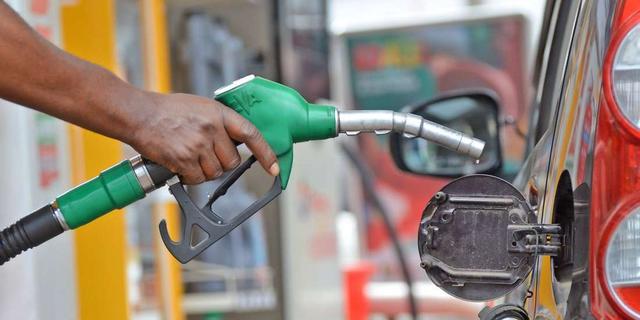
The debate over fuel subsidy has returned to Nigeria’s political and economic space following the removal of petrol subsidy in 2023. With Nigerians facing high transportation costs, rising food prices and increasing household expenses, many are asking whether the government should bring back subsidy to reduce the burden on citizens.
Supporters of subsidy argue that petrol is central to Nigeria’s economy. When fuel prices rise, transportation, food distribution, manufacturing and other business activities become more expensive. They believe government should use part of the country’s oil wealth to make petrol more affordable, particularly for poor and vulnerable Nigerians.
However, opponents of subsidy argue that the old system was expensive, inefficient and vulnerable to corruption and fuel smuggling. The government has maintained that removing subsidy has freed significant resources that can be shared among the federal, state and local governments and used for development.
The major concern, however, is whether Nigerians are actually seeing the benefits of the savings. Citizens want to know how the resources made available by subsidy removal are being used. They expect better roads, reliable electricity, improved healthcare, quality education, employment opportunities and effective social protection.
Rather than simply returning to the old subsidy system, government could consider targeted interventions. Support could be directed toward public transportation, farmers, manufacturers, small businesses and vulnerable households. Increased investment in local refineries and alternative energy sources could also reduce Nigeria’s dependence on imported petrol.
The subsidy debate should therefore not be reduced to politics. The real question is how Nigeria can provide affordable energy while protecting its economy from unsustainable spending.
Nigeria may not need a return to the old subsidy regime, but it certainly needs policies that ensure ordinary citizens benefit from economic reforms. The ultimate goal should be an economy where Nigerians can afford essential goods and services without depending permanently on government subsidies.