Ayofe Abdullah
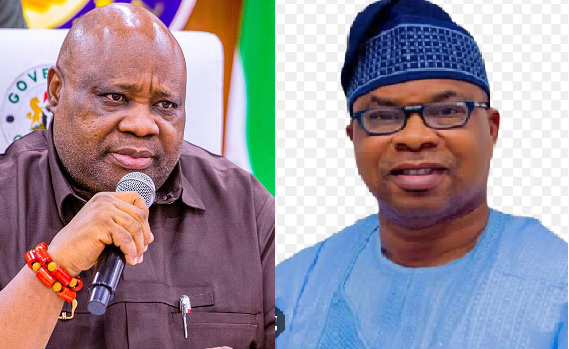
Following the conclusion of the Ekiti State governorship election, political observers have predicted that the forthcoming Osun State governorship election will be far more competitive and fiercely contested than the poll witnessed in Ekiti.
Governor Biodun Oyebanji of the APC secured a landslide victory in the Ekiti election, defeating his closest rivals by a wide margin. However, election observers identified concerns ranging from allegations of vote buying to logistical challenges, despite describing the election as largely peaceful and orderly.
Political analysts argue that while Ekiti witnessed a relatively one-sided contest, the political atmosphere in Osun presents a completely different scenario. Unlike Ekiti, where the ruling party enjoyed significant dominance, Osun remains one of the country’s most politically competitive states, with strong political structures spread across major parties.
The forthcoming Osun governorship election, scheduled for August 15, 2026, is expected to feature a direct battle between incumbent Governor Ademola Adeleke and major opposition figures seeking to wrest power from the ruling camp.
Observers note that Osun’s political history suggests a highly competitive race. The 2022 governorship election was decided by a relatively narrow margin, with Adeleke defeating then-incumbent Governor Gboyega Oyetola after an intense campaign that attracted national attention. The close nature of that contest demonstrated the deep political divisions and strong voter mobilization capacity among rival political camps in the state.
Analysts believe several factors will make the Osun election tougher than the Ekiti poll. First is the strength of the opposition. Secondly, the political rivalry in Osun has historically been more intense, often generating high voter interest and participation. Thirdly, the election comes at a time when political parties are positioning themselves ahead of the 2027 general elections, making the state a strategic battleground.
Another factor likely to shape the election is voter perception of governance and economic conditions. Political parties are expected to campaign aggressively on issues such as infrastructure, education, healthcare, employment and welfare programmes, while attempting to win over undecided voters.
Election monitoring groups have already warned about risks such as voter inducement, political intimidation and misinformation, urging stakeholders to ensure a transparent and credible process. Similar concerns were raised during the Ekiti election, where observers identified integrity gaps despite improvements in election management.
As preparations intensify, many observers agree that the Osun governorship election will serve as another major test for Nigeria’s democracy. While Ekiti delivered a clear winner with little suspense, Osun is widely expected to produce a tougher contest that could go down to the final stages of vote counting.
For political parties, the battle for Osun is not merely about controlling a state government; it is also about securing momentum and influence ahead of future national political contests.