Ayofe Abdullah
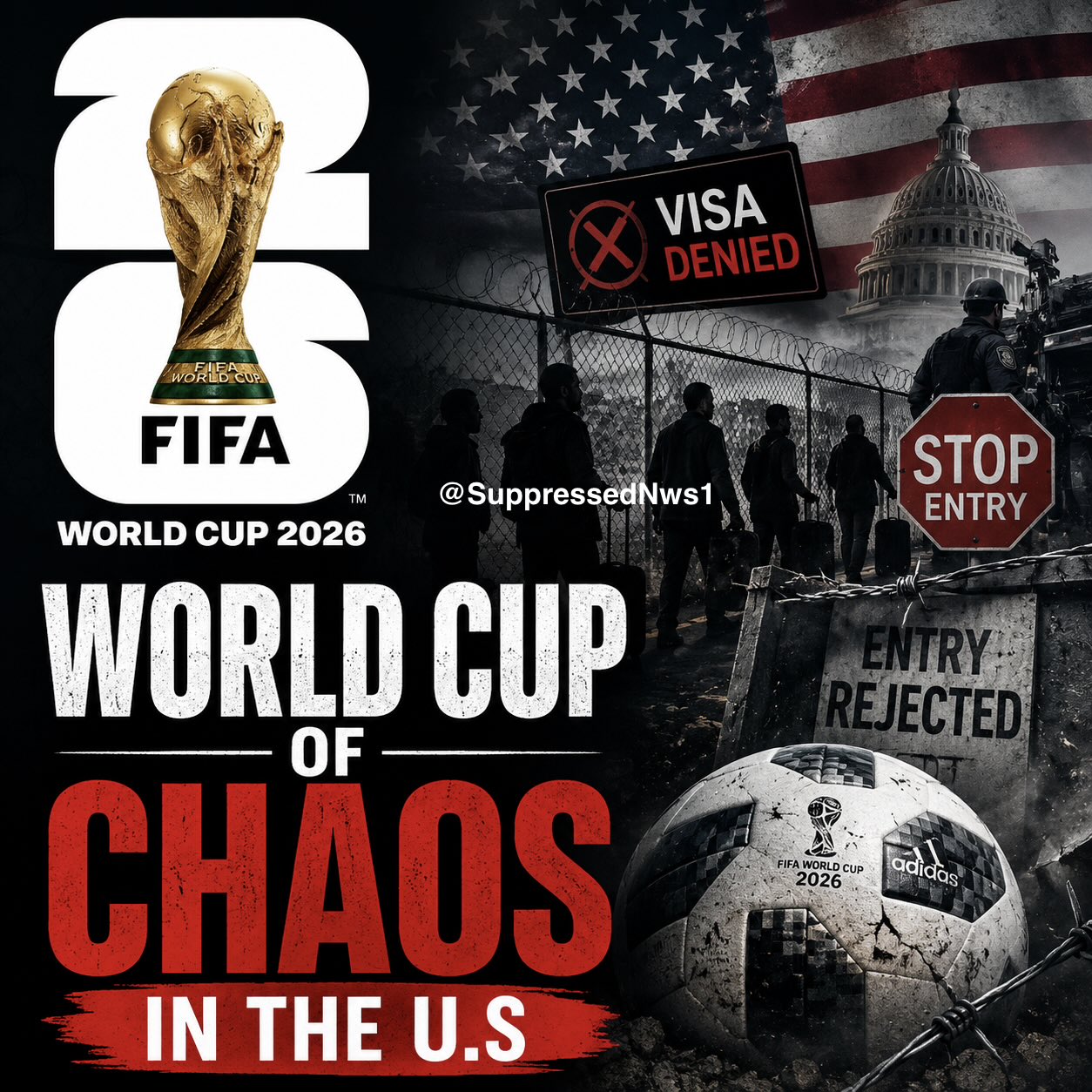
As the countdown to the FIFA World Cup continues, concerns are mounting that what should be the world’s greatest football festival risks being remembered for controversy, confusion, and political tension rather than the beautiful game.
The United States, one of the co-hosts of the tournament, has found itself at the center of growing criticism over immigration policies, security concerns, visa restrictions, and logistical challenges that threaten to overshadow the competition. What was expected to be a celebration of global unity is increasingly being described by critics as a “World Cup of Chaos.”
Recent reports have highlighted the difficulties faced by players, officials, and supporters attempting to enter the country. The denial of entry to Somali referee Omar Abdulkadir Artan, despite reportedly holding a valid visa, has sparked international debate and raised questions about the accessibility of the tournament to participants from certain nations.
Beyond visa controversies, fan groups and human rights organizations have expressed concerns over immigration enforcement policies and the possibility of heightened scrutiny around tournament venues. Activists argue that uncertainty surrounding travel and entry requirements could discourage supporters from attending the competition.
Security preparations have also reached unprecedented levels. Authorities are coordinating with hundreds of law enforcement agencies across multiple cities in what officials describe as the most complex security operation ever undertaken for a sporting event. While safety remains paramount, critics warn that an excessive security presence could affect the welcoming atmosphere traditionally associated with the World Cup.
Adding to the concerns are labour disputes involving stadium and hospitality workers, who have threatened industrial action over wages and working conditions. Such developments raise fears of disruptions during a tournament expected to attract millions of visitors from around the world.
Football has always been regarded as a force capable of bringing people together regardless of nationality, religion, or political beliefs. However, the growing list of controversies surrounding the tournament threatens to undermine that spirit. FIFA and host authorities must work together to ensure that football remains the central story, not immigration disputes, political disagreements, or administrative failures.
The World Cup should be remembered for memorable goals, passionate supporters, and historic moments on the pitch. Unless urgent steps are taken to address the growing concerns, there is a real danger that the tournament could become a World Cup remembered more for chaos than for football.